Zoo internships don't work like job applications. You can't just apply whenever you're ready. Most programs run on fixed cycles with hard deadlines. Apply too late and you're not rejected. You're just invisible. The position closed weeks ago.
Whether you're planning for summer 2026 or further ahead, this guide breaks down when zoo internships open, when to apply, and how to time your search so you're not a year behind.
When Do People Start Looking for Zoo Internships?
If you look at Google search trends for "zoo internships" over the past five years, the same pattern repeats every single year: interest starts climbing in December, peaks between February and March, then drops off through summer.
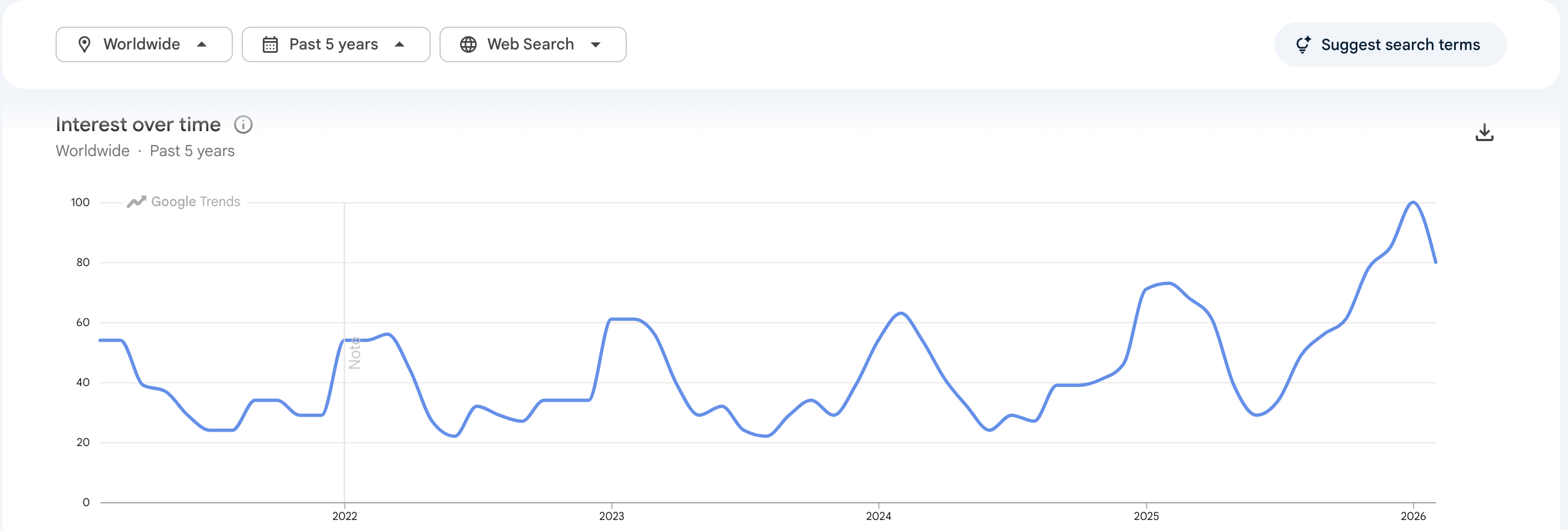
That spike isn't random. It lines up almost perfectly with summer internship application cycles. Most summer programs open applications in early winter and make decisions by spring. By the time search interest peaks, many programs are already reviewing applications or have closed them entirely.
The takeaway: if you're searching for zoo internships in March, you're already late for some programs. The time to start is months earlier than most people realize.
The Typical Zoo Internship Timeline
Not every zoo follows the same schedule, but most summer programs (which are by far the most common) follow a predictable rhythm.
September to November: Larger zoos and accredited facilities begin posting summer internship positions. These are the early birds, and their application windows can close before most people even start looking.
December to January: The bulk of summer programs open. This is when you should be actively applying. Some zoos move fast at this stage. We've seen facilities post all of their summer internship positions in December, well before most applicants start searching. Most deadlines fall somewhere between January and March.
February to March: Application windows start closing. Some smaller zoos and sanctuaries post later, but the most competitive programs are wrapping up their review process.
April to May: Decisions go out. Accepted interns confirm their spots. A few last-minute openings may appear as candidates decline offers.
May to August: Summer internships run. Most are 10 to 12 weeks.
If you're reading this and summer deadlines have already passed, don't wait until next year to take action. Start preparing now. Build relevant experience, line up references, and set up alerts so you catch postings the moment they go live.
What Do Zoo Internships Pay?
This varies widely, but most paid zoo internships fall in the $15 to $19 per hour range. The overall range we've seen runs from about $11 to $19 per hour, with most positions clustering toward the higher end. There are outliers in both directions.
Some facilities also offer housing or stipends on top of hourly pay, which can make a significant difference, especially for internships that require relocating. If an internship listing mentions a stipend instead of hourly pay, factor in the cost of living in that area before comparing it to hourly positions.
Not all zoo internships are paid. Some are volunteer or academic-credit-only, particularly at smaller facilities. If compensation matters to you (and it should), filter for paid positions early in your search so you don't invest time applying to unpaid roles.
If you want to understand the pay ranges of full time jobs for after your internship, see our zoo jobs report.
It's Not Just "Zoo Internships"
If you're only searching for "zoo internships," you're missing a lot of relevant opportunities. Many zoo-based programs are listed under different names depending on the department.
Wildlife internships often take place at zoos, especially those with active field research or rehabilitation programs. These roles focus on population monitoring, habitat restoration, or release programs. Search interest in wildlife internships has grown 10% over the past five years, and many of these positions are hosted by the same facilities that offer traditional zoo internships.
Conservation internships are one of the fastest-growing categories, with search interest up 40% over five years. Zoos with dedicated research divisions often post these under conservation rather than under their general internship programs. If you're interested in breeding programs, field research, or community conservation, look for these specifically.
Animal internships is another common label, particularly for programs focused on hands-on animal care, enrichment, and husbandry. These are functionally the same as zoo keeper internships but the naming varies by facility.
The point is: broaden your search. The same zoo might post an "animal care intern" on one site, a "wildlife research intern" on another, and a "conservation fellow" on a third. And don't limit yourself to facilities with "zoo" in the name. Wildlife sanctuaries, marine rescue centers, nature reserves, and conservation nonprofits all offer internships that build the same skills zoo hiring managers look for. Hands-on animal care experience counts whether it happened at an accredited zoo or a small rehabilitation center. Casting a wider net means you won't miss programs just because they use different names or come from unexpected places.
Summer vs. Fall vs. Year-Round Programs
Summer internships get all the attention, but they're not the only option, and they're the hardest to land. Some programs receive hundreds of applications for a handful of spots.
Summer internships are the most competitive. They attract the most applicants because they align with academic schedules. If you're applying to these, assume you're competing with dozens (sometimes hundreds) of qualified candidates.
Fall and spring internships are significantly less competitive. Fewer students can take a semester away from school, which means smaller applicant pools. The quality of the experience is often identical: same facilities, same staff, same animals. If your schedule allows it, applying off-season is one of the smartest moves you can make.
Year-round or rolling programs exist at some facilities. These don't follow a fixed cycle. Positions open as needed and they're harder to find, but worth watching for. Setting up job alerts is the best way to catch these.
How to Stand Out When You Apply
Zoo internships are competitive, especially at well-known facilities. Here's what tends to separate the applicants who get interviews from the ones who don't.
Relevant hands-on experience matters. Volunteer work at a local animal shelter, wildlife rehab center, or even a farm demonstrates that you've worked with animals outside a classroom. Hiring coordinators notice this.
Tailor each application. Generic cover letters are easy to spot. Mention the specific zoo, reference their conservation programs or animal collection, and explain why that facility (not just any zoo) is where you want to be.
Strong references from people who've supervised you with animals. A professor can speak to your academics. A volunteer coordinator who watched you handle a stressed animal can speak to your readiness. The second one carries more weight.
Be flexible on department. If your heart is set on the big cats team but they're full, say you're open to other areas. Once you're inside the building, you'll meet the people and make the connections that lead to future opportunities. Getting in the door matters more than getting the perfect assignment.
For more on this, this video breaks down what zoo hiring managers actually look for in resumes and interviews.
Where to Find Zoo Internships
Zoo, wildlife, and conservation internships are posted across several places, and no single source catches them all.
ZoosHiring.com: We aggregate internship openings from zoos, wildlife sanctuaries, and conservation organizations across the country. You can browse current zoo internships here or join our newsletter to get alerted when new positions are posted.
Individual zoo websites: Many zoos only post internships on their own career pages. If there's a specific zoo you're targeting, bookmark their careers page and check it regularly.
AZA (Association of Zoos & Aquariums): The AZA job board includes internship postings from accredited facilities.
University career boards: Some zoos post exclusively through university partnerships, especially for programs tied to specific academic departments.
The most reliable approach is to combine sources. Check ZoosHiring weekly, set up email notifications, and bookmark your top 3 to 5 target zoos so nothing slips past you. It takes 10 seconds and you'll never miss a new posting.
Don't Wait for Internship Season
The biggest mistake aspiring zoo professionals make is waiting until they're "ready" to start looking. By the time you feel ready, the deadlines have passed.
Start now:
Browse current zoo internships to see what's available today
Sign up for job alerts so you're notified the moment new internships are posted
Read our guide to getting started as a zookeeper if you're still exploring whether this career path is right for you
Internship cycles move fast. The best way to stay ahead of them is to stop checking manually and let the openings come to you.
